
As students return to campus in the fall, they will be greeted by a new student operated form of surveillance across campus.
Having students monitor their peers raises potential privacy and
discrimination concerns.
“Project Overwatch,” a program launched by the Texas State University Police Department, will seek to expand their hours of surveillance by hiring students to monitor approximately 900 cameras on both the San Marcos and Round
Rock campuses.
The initiative will aim to identify suspicious behavior and provide immediate information to UPD officers with hopes of speeding up response times to potential emergencies across campus. To ensure constant coverage, the program will employ students to monitor security cameras for their assigned shifts.
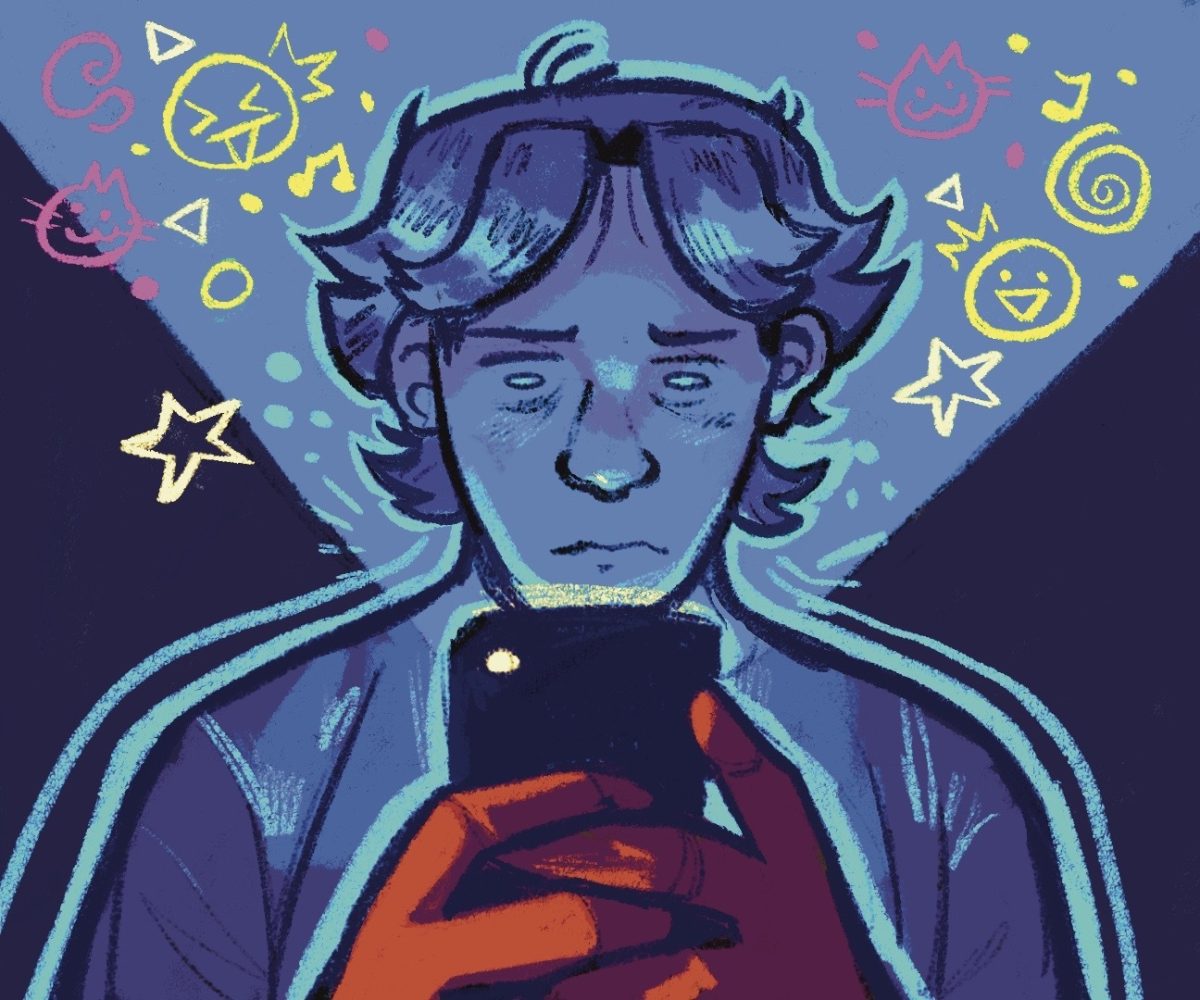
While the concept of having students monitor security cameras allows for greater job opportunities, it is important to recognize the potential sociological consequences of allowing students to monitor their peers. Students may begin to feel judged by their peers in classroom settings and throughout campus as trust is potentially lost between them.
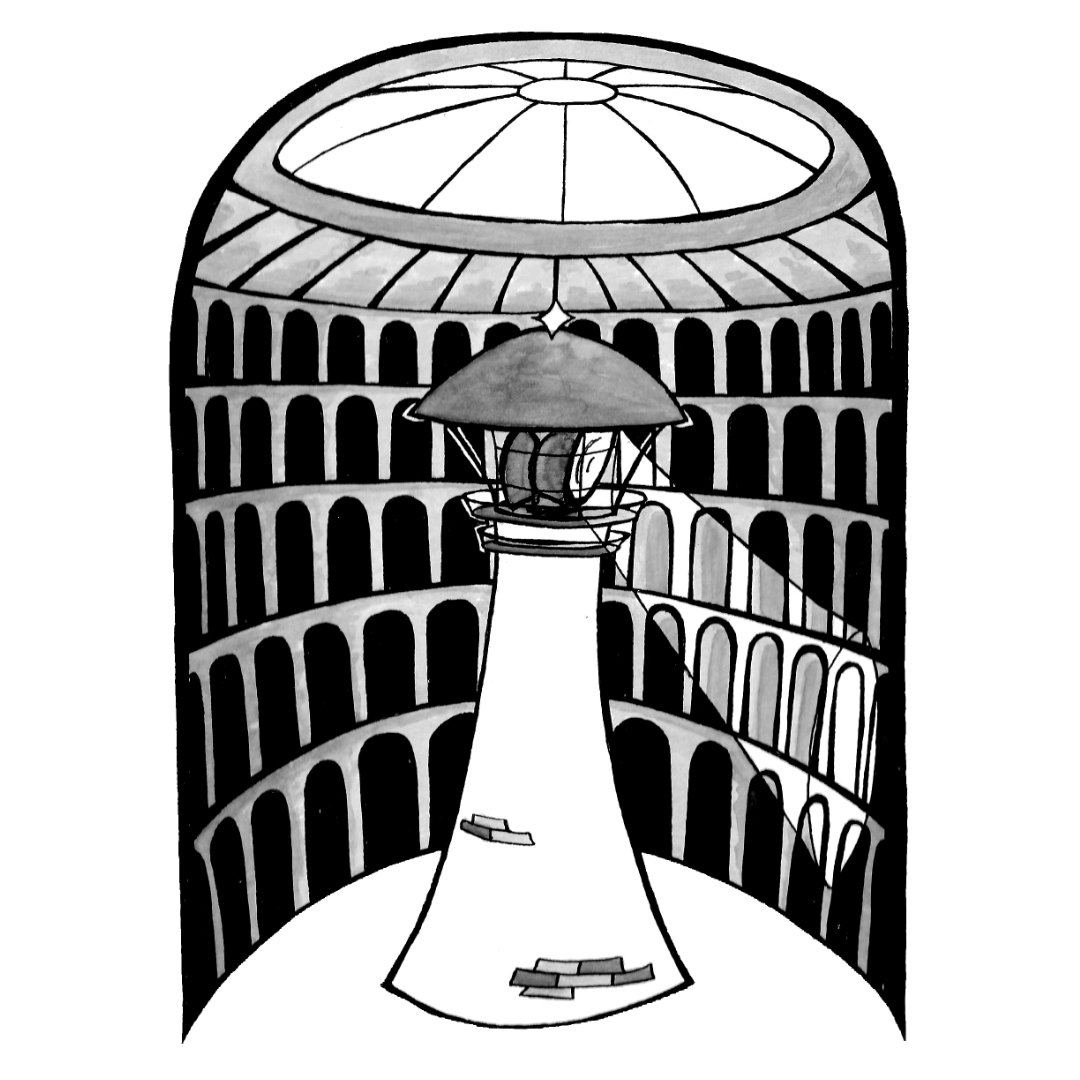
By not knowing which one of their peers may be observing them across campus at any given time, a panopticon effect may be created, creating an environment in which students are aware that they are being monitored but are left unaware of who may be watching and what their agenda may be.
Surveillance has become more prevalent in our day-to-day lives with the improvement and spread of security cameras. Much like the panopticon, constant surveillance has been found to increase anxiety, paranoia and create changes in behavioral patterns in those aware of their surveillance, according to sources such as The Harvard Magazine.
Texas State students may begin to feel the weight of these impacts when engaging in acts of protest on campus, as they may become more anxious to voice their opinions due to paranoia commonly associated with surveillance. Texas State has upheld their sentiment that freedom of speech and inquiry are protected on campus. With the implementation of “Project Overwatch,” students may begin to feel a greater sense of anxiety when engaging in these activities on campus.
When hiring students to monitor cameras, it is crucial that training be very specific in defining ‘suspicious’ behavior in order to prevent students from having to overthink their behavior and combat the potential for racial profiling to occur.
Texas State Sociology Professor, Dr. Nathan Pino, said that students from minority groups have the potential to be more impacted by
the initiative.
“I would say students from marginalized groups are more likely to be negatively impacted by it [Project Overwatch] than others.”
Pino said.
In addition to a potential increase in unease and breach of personal privacy, this initiative furthermore raises concerns for minority students. With almost three-quarters of college-aged black men having reported being subject to traffic stops due to suspected racial profiling, concern for the safety of visible minorities being monitored closely across campus
becomes apparent.
While student employees will be trained in emergency dispatch procedures, emergency communication and how to listen to radio traffic, students will not receive extensive training on bias.
In a study conducted by PubMed Central, researchers found that racial bias was largely present in white participants, whether they were conscious of their bias or not is crucial that Texas State students employed under “Project Overwatch” remain aware of detrimental, systematic racial stereotypes in order to maintain a safe environment on campus for all.
Racial profiling could additionally cause suspected crimes to be over-reported.. If threats are frequently incorrectly reported, fear-mongering may occur as students begin to perceive an increase in danger on campus when this is not necessarily the truth.
“The definition of suspicious is in the eye of the beholder,” Pino said. “So there’s a danger there that might lead to more enforcement of minor infractions that get blown out
of proportion.”
Students at Texas State deserve to feel safe and comfortable across campus and inside of the classroom. As an institute that proudly serves a diverse student body, Texas State should be a sanctuary for all students without fear of discrimination.
With “Project Overwatch” coming to fruition, it is important that unconscious racial bias is challenged in order to keep minority students on campus safe and without
unnecessary intervention.
-Mark Gabrielides is an English and education sophomore