
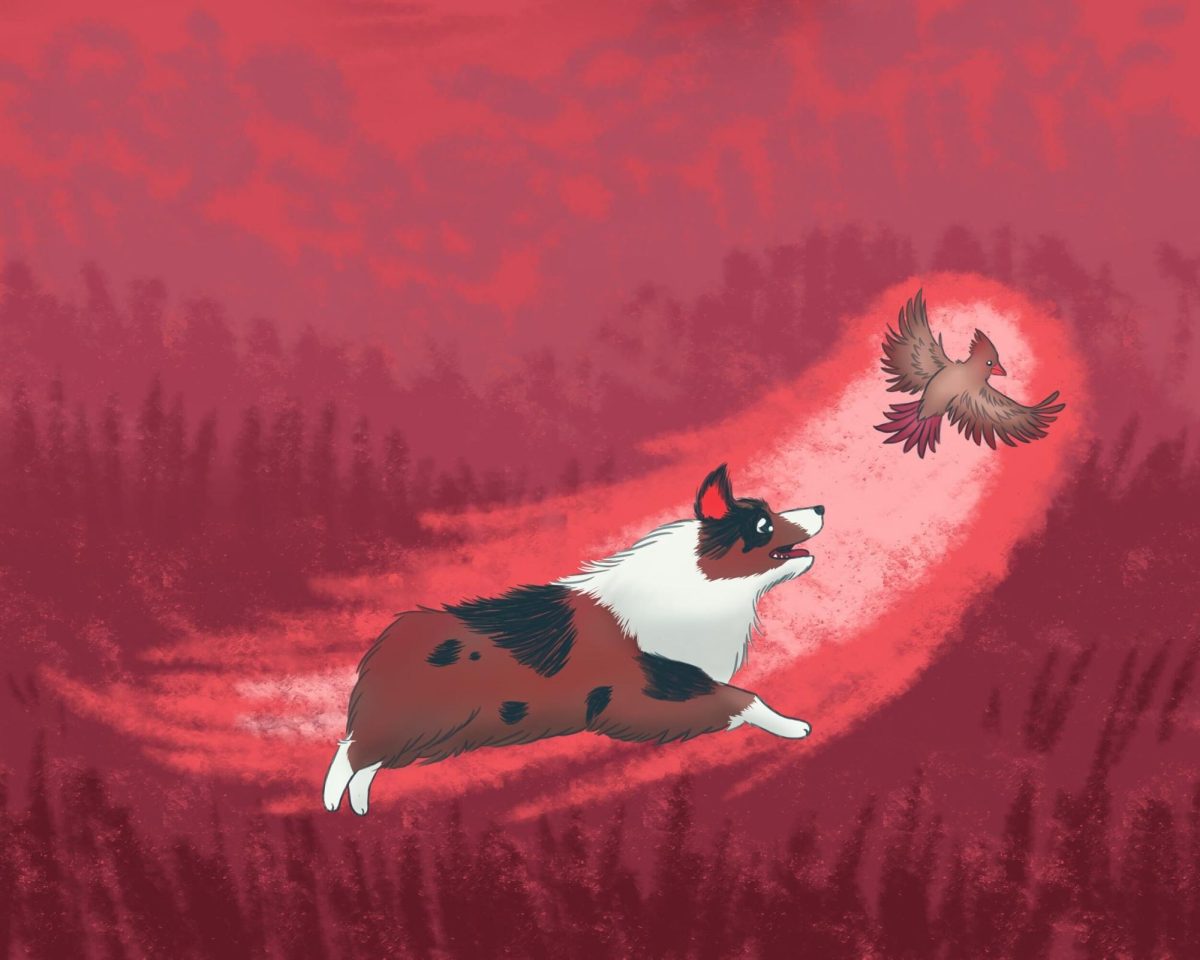
Rising pet abandonment and growing stray populations are causing problems in Hays County, the delicate ecosystem that makes San Marcos so special is being threatened.
These issues particularly affect San Marcos. San Marcos is home to a variety of unique native species. Many animals reside in the one-of-a-kind San Marcos River, while others settle in the surrounding greenbelt.
Along with animals, San Marcos houses plenty of college students that are more likely to care for animals irresponsibly. According to a study by Rutgers University, a large portion of pet abandonment is directly linked to college students.
According to the Hays County Sheriff’s Office, 981 calls regarding stray animals were received between September 2024 and September 2025. With the San Marcos Regional Shelter facing severe overcrowding, many pets are ending up in sensitive wild areas.
The Texas blind salamander, San Marcos salamander and Golden-cheeked Warbler are just a few of the already endangered species found in the Hays County area. And as stray pets move deeper into wild spaces, additional stress is being placed on some of San Marcos’ most vulnerable species.
Christopher Riggins, a wildlife and fisheries biologist at the Meadows Center, said the disturbance that stray animals have on the environment is often underestimated.
“It doesn’t often seem like one animal can do that much by itself … but it really depends on where they fall in that food web as to how much they disrupt that,” Riggins said. “Stray cats eat mice and birds … and we have endangered birds that nest only in this area of central Texas that could fall prey to [strays].”
Golden-cheeked Warblers are among the most at risk by roaming pets. The bird only breeds in Hays County and is especially vulnerable to predation and habitat loss. According to the American Bird Conservancy, free-roaming cats kill about 1.3 billion birds in the U.S each year.
Wildlife is not the only thing that is at risk. The San Marcos River is home to the critically endangered Texas Wild Rice, which has also been threatened due to invasive species, like armored catfish, that are introduced through dumping.
“I think a lot of people just don’t understand. ‘Well, I have a fish. That’s in water, and there’s a lake right here, that’s water, why doesn’t it belong there?'” Riggins said.”[People] not understanding how delicate some of these ecosystems and the food web and the species interactions really are, especially for a unique ecosystem that’s spring-fed [puts everything at risk].”
Stray animals don’t appear out of nowhere. The responsibility for this situation lies entirely with San Marcos and Hays County residents. Every abandoned pet, free-roaming cat and stray dog contributes to disturbances the ecosystem cannot withstand.
The solution to this environmental crisis is more than just awareness and advocacy; it means conserving and protecting the ecosystem, while making immediate and permanent actions through responsible pet ownership.
Part of being a responsible owner is being proactive. Resources are readily available for preventing unwanted litters through Prevent A Litter of Central Texas (PALS), a San Marcos-based non-profit that provides low-cost spay/neuter, vaccines, microchips, pet food and community cat services for Hays County residents.
Beyond PALS, the San Marcos Regional Shelter offers foster opportunities and adoption specials, helping keep animals off the streets and out of environmentally sensitive areas.
It is important to recognize that prevention is far easier than rescue. Owning a pet is not an easy task or hobby, but a full-time responsibility that goes farther than some may think.
San Marcos’ biodiversity is one of a kind, and protecting it is a collective responsibility. Taking measures, like neutering and rehoming instead of dumping, can protect the environment and ensure that San Marcos stays environmentally healthy and unique for generations to come.
“Protecting the ecosystem and the species that reside in all of our surrounding ecosystems … that responsibility kind of falls on everybody … we all [need] to do our part to try to take care of it,” Riggins said.
-Syghlas Morales is a wildlife biology freshman
The University Star welcomes Letters to the Editor from its readers. All submissions are reviewed and considered by the Editor in Chief and Opinions Editor for publication. Not all letters are guaranteed for publication.