

The Main Point is an opinion written by The University Star’s Editorial Board. Opinions expressed are not necessarily those of our entire publication.
National politics in the U.S. are driving ever-growing polarization and division. At Texas State, this climate has turned the university into a political battleground, undermining the institution’s effectiveness through political pressure.
Throughout Sept. Texas State felt the weight of polarization more than most institutions. With events drawing national media attention, outside actors have influenced university policy, shifting focus from student success to political demands, and creating division across campus
This has resulted in weeks of protests, ongoing court battles and a growing atmosphere of fear and distrust. Institutions that prioritize political victories over their own integrity inevitably undermine the communities they serve.
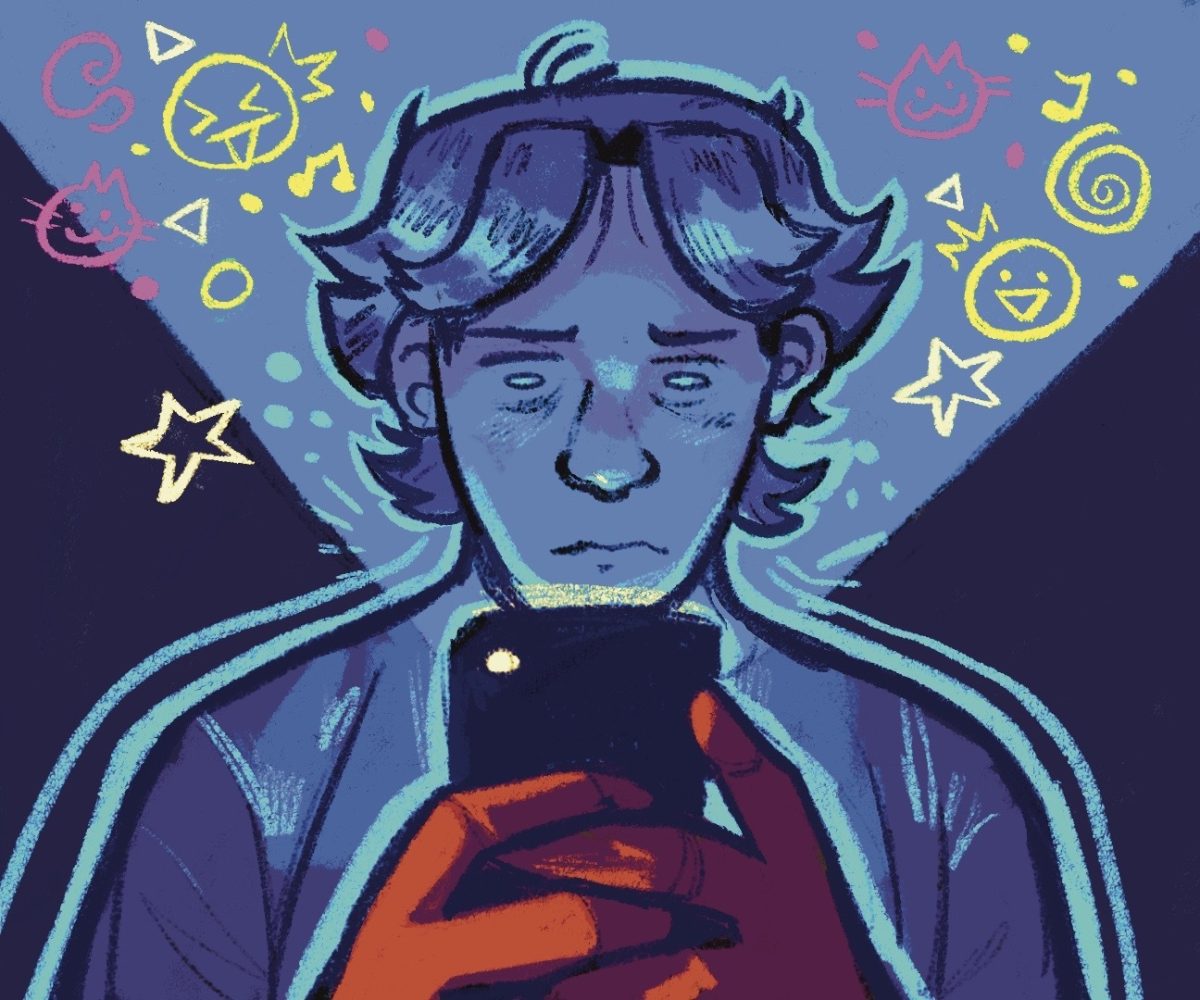
Political pressure on campus reached a peak with two events: the firing of Professor Tom Alter, spurred by online pressure by Karlyn Borysenko on X, who calls herself an “anti-communist cult leader,” and the withdrawal of a Texas State student after their actions at a Charlie Kirk memorial went viral on social media. Platforms like X appear to have become de facto deciders of institutional policy, with the university responding to pressures amplified online rather than the wishes of students, faculty or staff.
Social media pressure doesn’t come only from independent actors; it comes from the state government. Gov. Greg Abbott and Texas State Rep. Brian Harrison have publicly posted about Texas State multiple times on X, prompting immediate responses from campus administrators.
Both politicians have deliberately used social media and polarization to apply pressure and score political points with their base. Concerns that would traditionally be addressed through official channels, such as the Board of Regents, have instead been bypassed, allowing unaffiliated social media users to influence university decisions.
Harrison has had an outsized role in campus decisions over the last year, previously putting pressure against the university after buses with Texas State branding brought people to the “Hands Off,” protest in Austin over the summer, despite the buses being privately chartered. Harrison also levied attacks against the university for a course titled “LGBTQ+ Communication Studies,” leading to its cancellation and showing the university’s willingness to appease radical politicians.
Additionally, non-government commentators have taken to X to protest student actions, such as the student at the Kirk memorial. Because of the nature of social media, this has led to attacks on groups, like the Black Student Alliance, by users with no affiliation to the university, operating instead from partisan interpretations of campus events.
This creates significant harm for Texas State, as classroom and administrative decisions must now be weighed against how political commentators will perceive them. The university’s focus shifts from academic excellence to appeasing rising polarization, with both commentators and government figures deliberately using social media to politicize and police the campus.
These fears and harms are reflected in the campus’s responses; weeks of protests have expressed frustration with administrators’ actions. This demonstrates that caving to political demands ultimately leaves campus members dissatisfied, as priorities are sidelined, and online commentators remain displeased that further action isn’t taken.
Ultimately, Texas State and other academic institutions must remain independent of political dogfights if they are to maintain institutional excellence. When partisan politics are infused into campus policy, unhappiness spreads. Politicization has no place in education, and students ultimately bear the consequences.
The University Star welcomes Letters to the Editor from its readers. All submissions are reviewed and considered by the Editor in Chief and Opinions Editor for publication. Not all letters are guaranteed for publication.