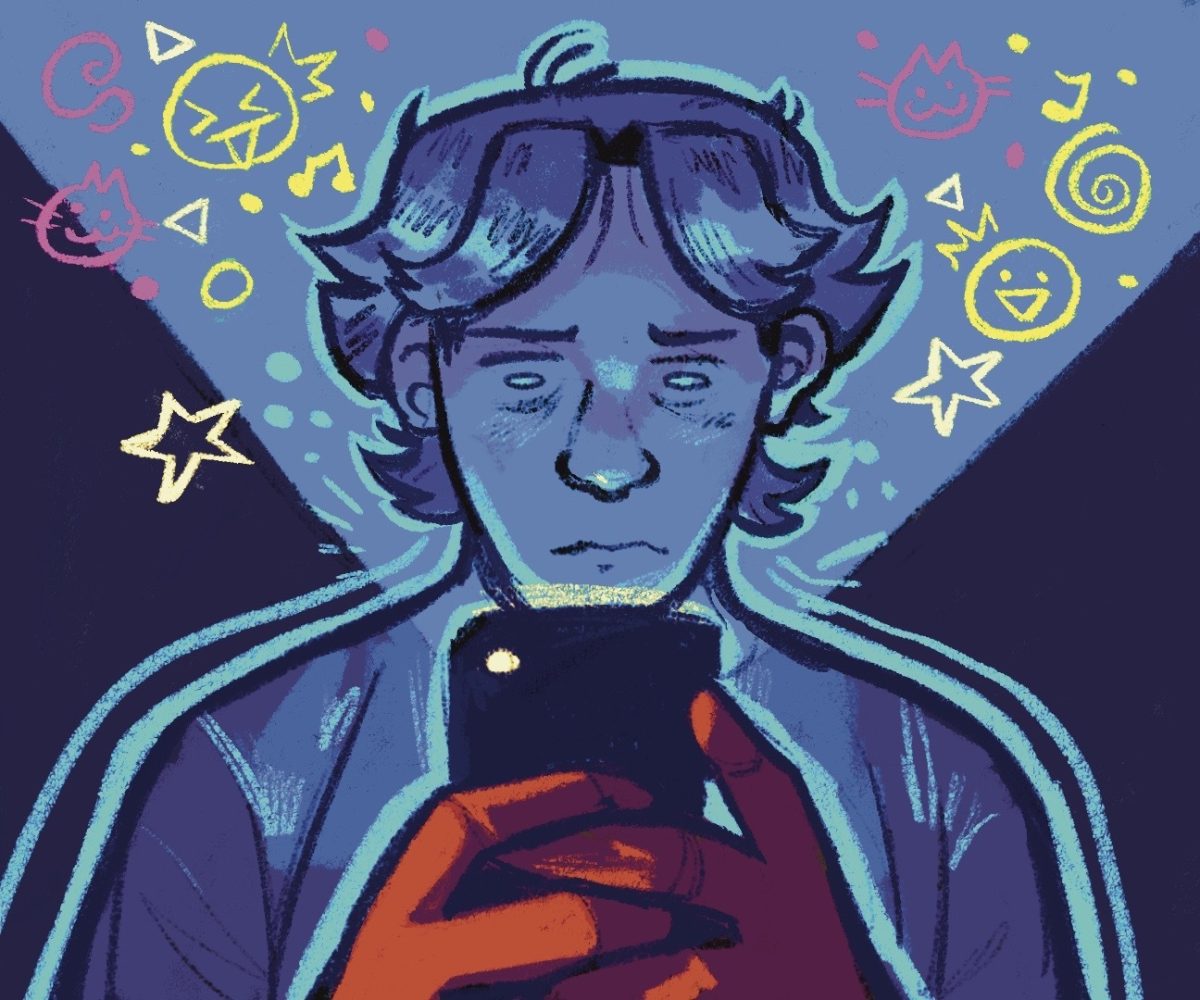


For many Texas State students, the day does not begin when they arrive on campus.
Instead, it begins with a long drive, searching for parking and planning how to spend hours between classes without the option of going home. Despite how common commuting is, few spaces on campus are designed for commuter students.
Texas State emphasizes involvement as a central part of the college experience. However, daily constraints faced by commuter students are often overlooked. Creating dedicated commuter spaces would help make engagement and daily campus life more accessible for the large portion of students who travel to campus.
The university’s own definition of commuter includes students who travel from home and students who have moved to the area but live in non-university housing. According to Texas State enrollment data, more than 40,000 students were enrolled in fall 2025, but only about 22% lived in college-owned, operated or affiliated housing. While not all remaining students are traditional commuters, many live off campus and travel each day.
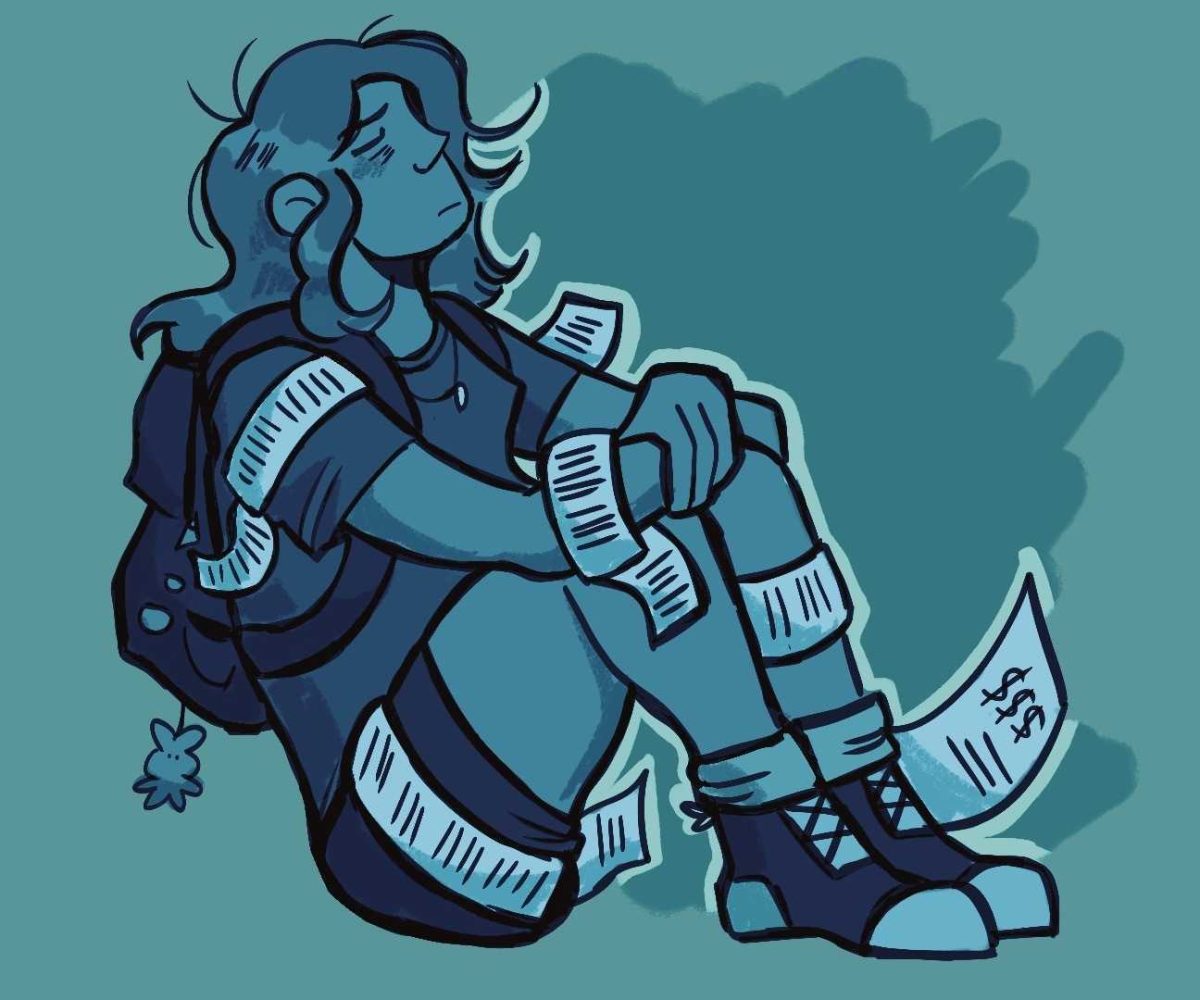
First-year students, with some exceptions, are required to live on campus, a policy intended to help freshmen build community early in their college experience. This requirement reflects an understanding that proximity matters when it comes to engagement. However, many students switch to commuting after their first year due to limited housing on-campus. For students living off campus and not at home, Texas State estimates food and housing costs at $13,230 per academic year, over $1,000 higher than the national average.
Some universities, like A&M San Antonio and NYU, have already responded to the needs of commuter students by creating dedicated commuter hubs. These spaces are designed for students who spend long stretches of time on campus without the option to go back to a dorm or nearby apartment. A typical commuter hub includes lockers, charging stations, comfortable seating, kitchenettes and study areas where students can store their belongings and work between classes.
Spaces like these recognize that commuter students experience campus differently. Having a place designed for commuters makes it easier for students to stay on campus between classes, meet others with similar schedules and remain connected to campus life.
Because most students are nearby and out of classes, campus events are often scheduled in the evening, which can be challenging for commuter students. For commuters, attending those same events can mean an additional late-night drive home or getting through heavy traffic after already spending the day on campus.
Michael Edick, history and education junior, said he wishes people who live on campus understood the time constraints that commuters face.
“Commuter students may not always be available for a lot of activities on campus,” Edick said, “I have to give myself enough time to commute, park and get a spot on the shuttles.”
Missing evening events is a challenge for commuter students. Spending long days on campus without a place designed for them to gather can make staying connected even harder. When students do not have a place where they naturally meet, it becomes harder to build relationships and feel part of the broader campus community.
Commuter spaces make it easier to meet other students with similar schedules and routines. In this way, a commuter hub can serve as a bridge between the academic and social parts of campus life.
Commuter students are already a major part of the Texas State community, but campus design has not fully caught up with that reality. Texas State already recognizes the importance of student connection through its first-year housing requirement, expanding that same thinking to commuter students could be a natural next step.
If involvement and connection are key parts of the Texas State experience, then designing campus spaces that reflect how students move through their day is a practical place to start.