
Trigger warning: This column has mentions of suicide
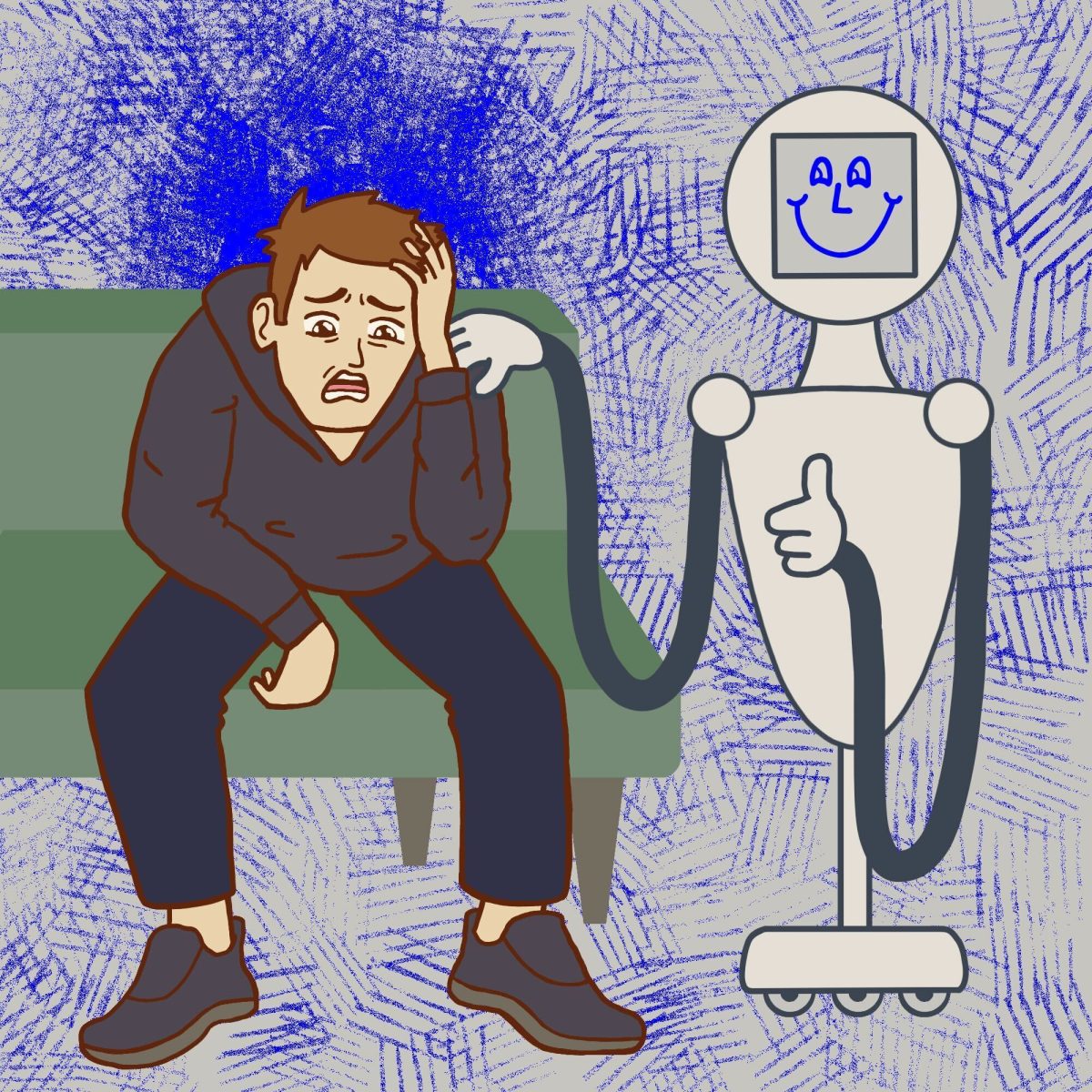
Since 2020, Artificial Intelligence’s (AI) utility has greatly increased. AI has expanded into mental health treatment with chatbots. Recent surges in mental health chatbots and apps creates concern for the future of mental health treatment due to AI’s inability to understand the ramifications of certain messages, making it unsuitable for professional advice.
Colleges across the country are reporting a mental health crisis, with over 60% of students experiencing a mental health issue. According to the Suicide Prevention Resource Center, suicide continues to be one of the leading causes of death among ages 15-24. Understanding the importance of receiving reliable and authentic mental health treatment is vital, especially when resources on campus are available for students.
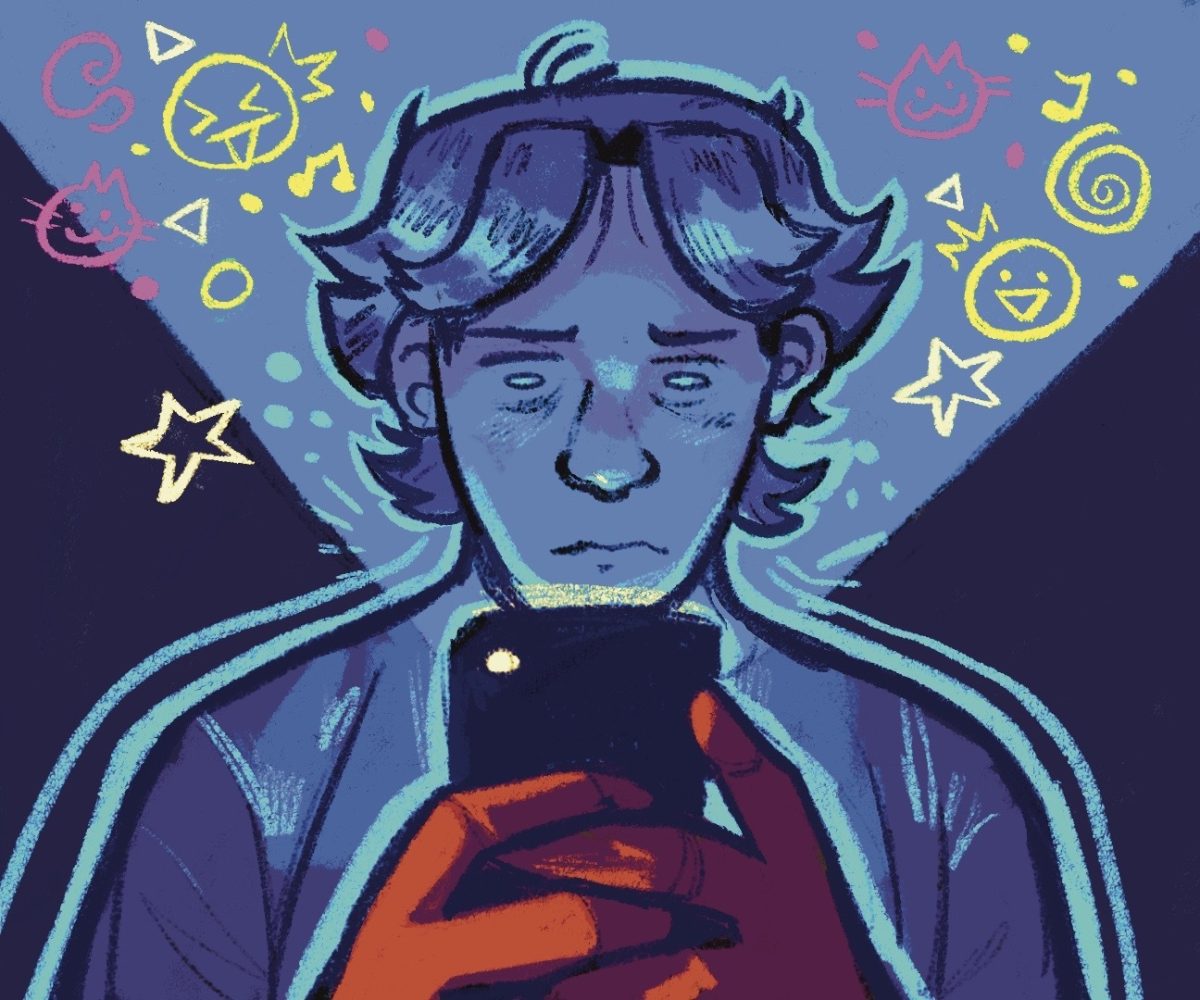
Studies show that college students are less likely to ask for help when needed, making it more likely for students to use AI as an avenue for relief. This leads to one in eight young adults age 12-21, using chatbots for mental health advice, according to a Brown University study.
Mental health professionals, like those in the National Association of Free & Charitable Clinics (NAFC), criticize AI due to its lack of empathy and understanding. While chatbots are often free and accessible, they do not guarantee a person authentic treatment.
A Stanford study tested a therapy chatbot’s credibility. It was found that the Noni chatbot, located on the therapy website 7 Cups was able to express concern for a lost job but failed to recognize suicidal ideation and intent.
Failure to recognize these signs is harmful because licensed therapists (LPC) are required to report to authorities and provide a safety plan if a patient expresses any form of suicidal intent. AI chatbots do not follow the same requirements, and AI companies have no way to intervene when needed.
Dr. Daisy Zhou, professor of counseling and Nationally Certified Counselor (NCC), said life-threatening issues like suicide are never ignored because of their dangers.
“Risk assessment is something we never forget,” Zhou said. “We really do value people’s lives and that’s why we put risk assessment at such high priority.”
In mental health treatment, it is vital to build real human relationships to implement long-term change. AI use makes this near impossible because face-to-face connection is lost. It becomes very easy for either party to disengage, and even easier for users to log off and receive no substantial benefits.
Zhou said therapy thrives on guiding a patient into the right direction and while AI can provide short-term help, it is unable to keep a consistent long-term plan and connect with the patient.
“We want the change to be sustainable,” Zhou said. “Every time we talk with the clients, we integrate into a holistic picture, and that’s why we are truly deeply connected.”
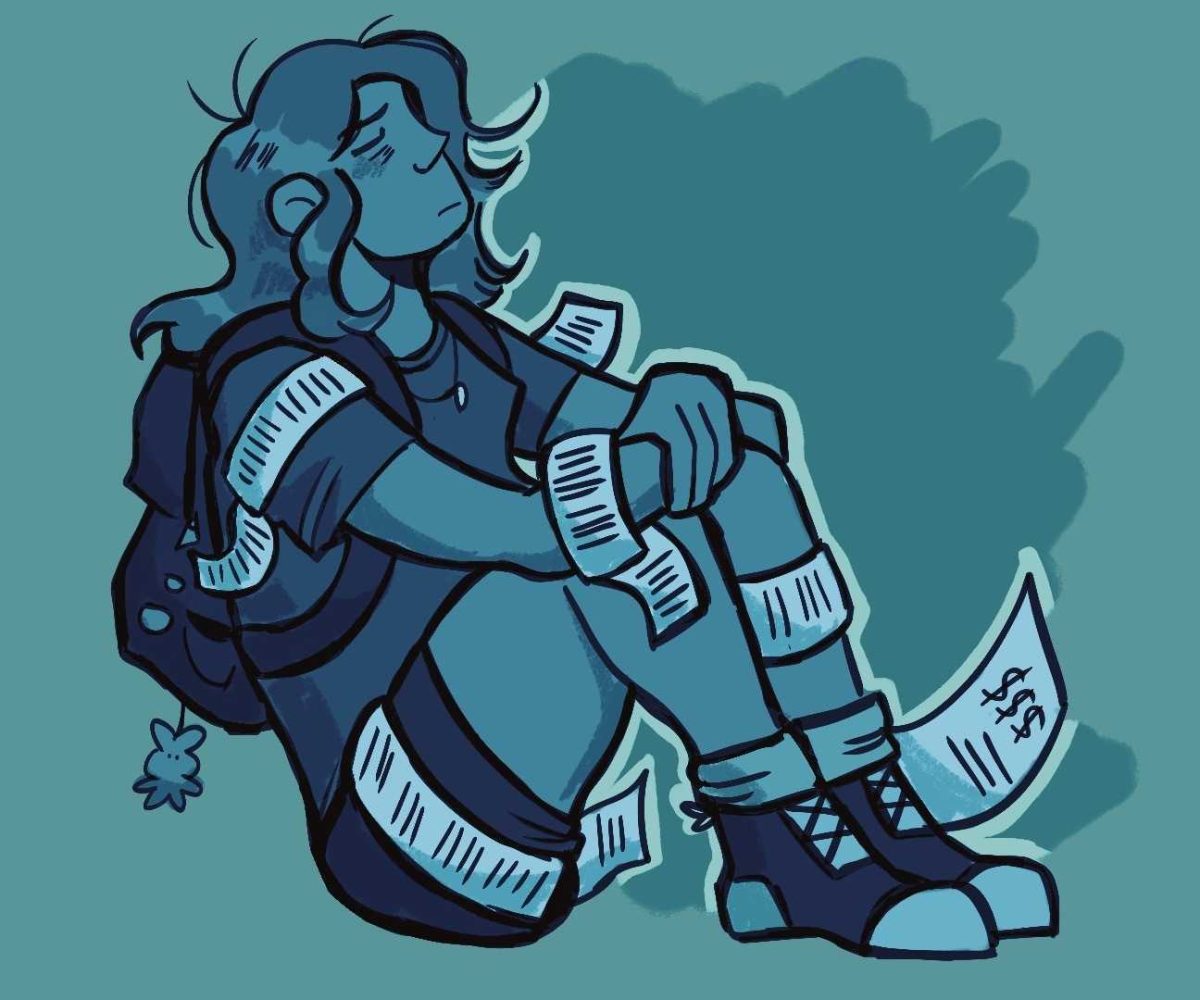
Another reason some might be willing to turn to chatbots for mental health advice lies in accessibility. Survey statistics from the American Medical Association found that 22% of college students surveyed experienced financial issues when looking into mental health services. Due to a chatbot’s free access and availability, many students can fall into using them for help.
Texas State offers free mental health services through the counseling center and hosts multiple mental health outreach events throughout the year. Understanding when help is needed and how it can be obtained is vital in creating safer environments.
Mental health continues to be an important topic among students due to its effects on their lives. Students must be aware of the services available at Texas State and in the community. While AI might be more convenient, it lacks the ability to make long-term changes, unlike human therapy.
Using AI chatbots only harms how mental health treatment is seen. It is important to remember that there is no shame in needing care and reaching out when needed is always important.
-Shar Kiefer is a political science junior
The University Star welcomes Letters to the Editor from its readers. All submissions are reviewed and considered by the Editor in Chief and Opinions Editor for publication. Not all letters are guaranteed for publication.