

On Oct. 1, the United States federal government shut down due to a failure to reach a budget agreement, threatening many government-funded agencies with funding cuts.
Judge John McConnell ruled on Oct. 31 that the Trump administration must make a full payment to the Supplemental Nutrition Assistance Program (SNAP) by the end of the day on Nov. 3 or a partial payment by Nov. 5. On Nov. 3, The Trump Administration agreed to partially fund SNAP benefits with contingency funds.
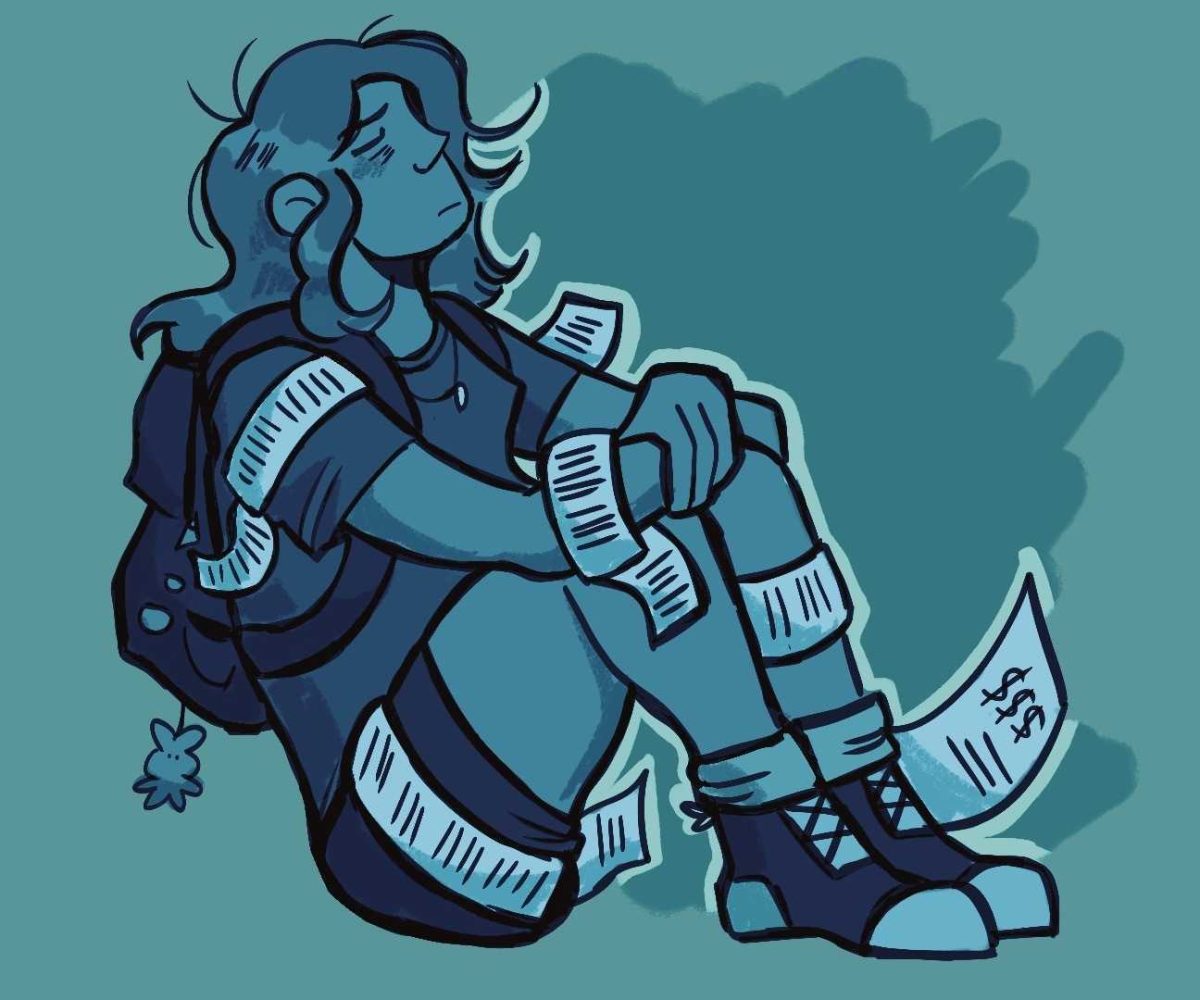
However, even with these benefits being paid partially, thousands may struggle with food insecurity. The absence of full SNAP benefits can have detrimental effects on a community, such as stress, stigma toward food services and strain on local food banks, according to Feeding Texas.
In fiscal year 2023, 79% of SNAP households included a dependent, either a child, an elderly individual, or a non-elderly individual with a disability, according to USDA. 16,500 Hays County residents rely on SNAP as of Aug. 2025, according to the HHS, and are now at risk of having their benefits cut, causing a rise in food insecurity. Food insecurity is characterized as the inability to access food to live a healthy lifestyle.
There are many food resources in the Hays County area available for residents and Texas State students experiencing food insecurity. Services such as the Hays County Food Bank, School Fuel for San Marcos Consolidated ISD students and the Southside Community Center are among the many emergency food distribution centers available in the area.
Texas State also offers on-campus resources for students in need. The Dean of Students provides services such as the Swipe-Out Hunger Meal Plan, where students can fill out a “Here to Help” form and receive five all-you-can-eat meals at one of the dining facilities at no cost.
Additionally, Bobcat Bounty is an emergency food resource available for students. It is a student-led food bank that stocks nine cupboards across campus that can be accessed 24/7. The locations can be found on their website.
Due to the rise in food insecurity, food banks are in need of help. It is important for those who can help to do so by volunteering and donating. Many food banks are seeing an influx of people and expect to see more. Lisa Young, executive director at the Hays County Food Bank, said she is concerned for the bank’s ability to keep up with the demand.
“We have a lot of people in this area that are living with very little buffer zone with their money … we see a lot of the same people that get SNAP also come to the food bank, but we’re expecting a lot of new people too. This can’t go on forever,” Young said.
Donating and volunteering at food banks is essential to keep their missions going. According to Feeding America, every dollar donated provides 10 meals to families facing hunger through its network of food banks.
Hays County Food Bank accepts volunteers and donations year-round, with operation hours listed on their website. Various other distribution sites are available in Kyle, Buda and Wimberley with varying hours of service.
These resources are available to all Texas State students and Hays County residents in need. There is a stigma when it comes to receiving help from food services; however, around 47 million Americans struggle with food insecurity. There is absolutely nothing wrong with getting help when needed; you are not alone.
“We don’t want anyone to feel any embarrassment about it. When I was 20 and a young mom on my own, I definitely would have qualified, and it never even crossed my mind,” Young said. “We welcome people in the case of emergencies, as well as people who have an ongoing financial need. We hope that everyone feels welcome here. You definitely are welcome here and welcome to apply.”
-Syghlas Morales is a wildlife biology freshman
The University Star welcomes Letters to the Editor from its readers. All submissions are reviewed and considered by the Editor in Chief and Opinions Editor for publication. Not all letters are guaranteed for publication.