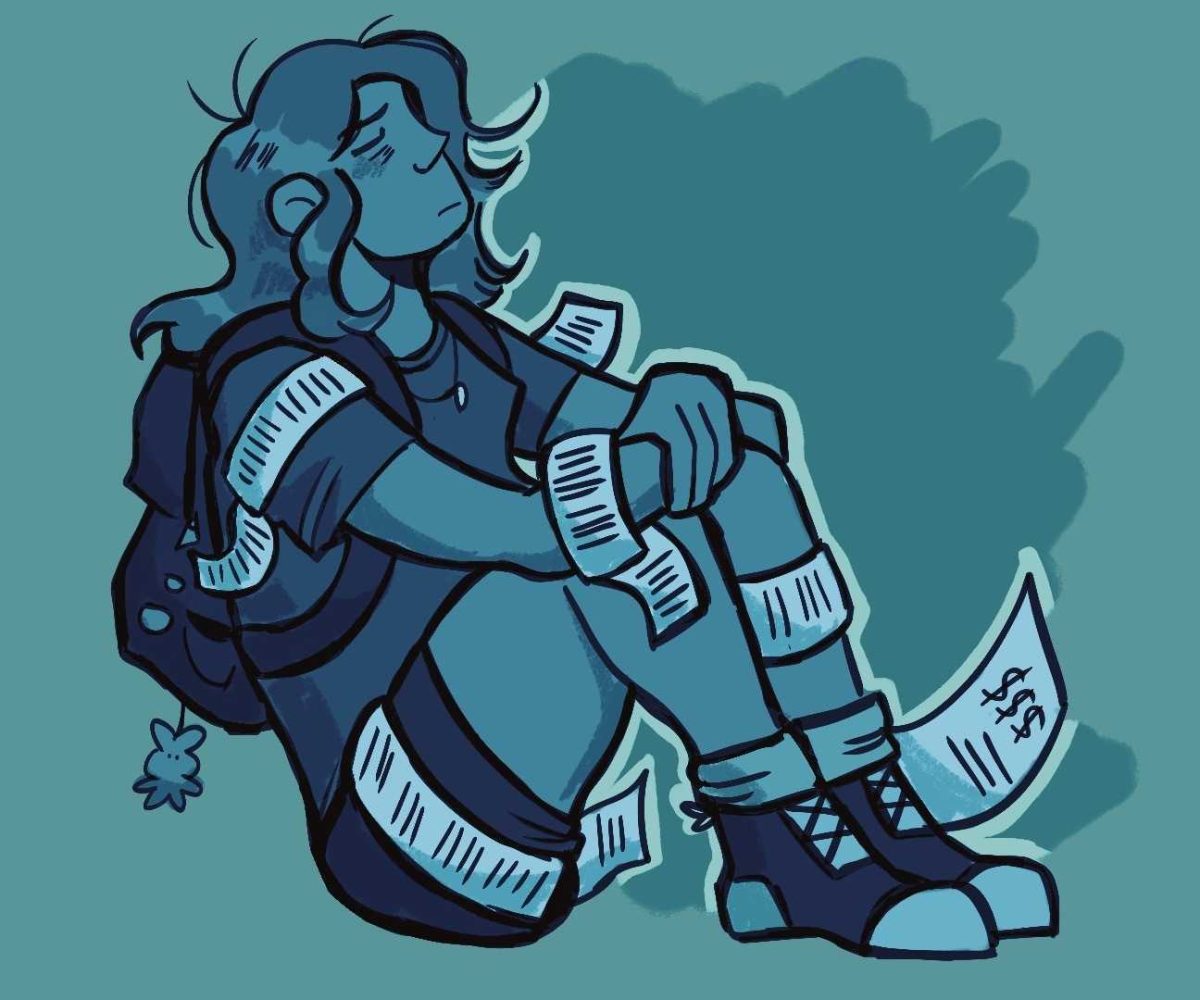


Political polarization has increased in America over the last few decades, especially across university campuses like Texas State. The current political climate is abnormal, but for young adults in college, it’s all they know.
Constant access to streams of negative information, increasingly partisan national politics and disagreeable current events have caused college students’ opinions on politics to sour, leading to negative ramifications for students’ mental health. With primaries approaching in March, it’s especially important for students to be mindful of the U.S. political climate while navigating it effectively.
Traicy Kaya-Kaya, a pre-nursing sophomore, said she feels the current political climate is very charged.
“You’re constantly stuck between wanting to be aware, but at the same time not wanting to be aware because reality and awareness can make you depressed really fast,” Kaya-Kaya said.
Staying informed on current affairs is undoubtedly a good thing, but college students must navigate the news cycle in a safer way to minimize harm to their mental health. At the same time, young adults must not accept this political climate as the new status quo, or they risk continuing to vote for divisive candidates that further the trend.
“I really do think it’s going to impact how we go about politics when it’s our generation getting involved, because of the example,” Kaya-Kaya said.
According to a 2023 Pew Research Center study, 65% of Americans feel exhausted when thinking about politics, and for young adults, this discontent seems even stronger. The 2025 Harvard Youth Poll, which polls 18-29 year olds on a variety of political issues, reported that only 13% of young adults believed the country is headed in the right direction.
For college students, growing unhappiness and uncertainty with U.S. politics are worsening mental health struggles, and bleeding discontent in campus communities. At Texas State, discontent grew during the 2025 Fall semester, with protests, demonstrations and general unhappiness.
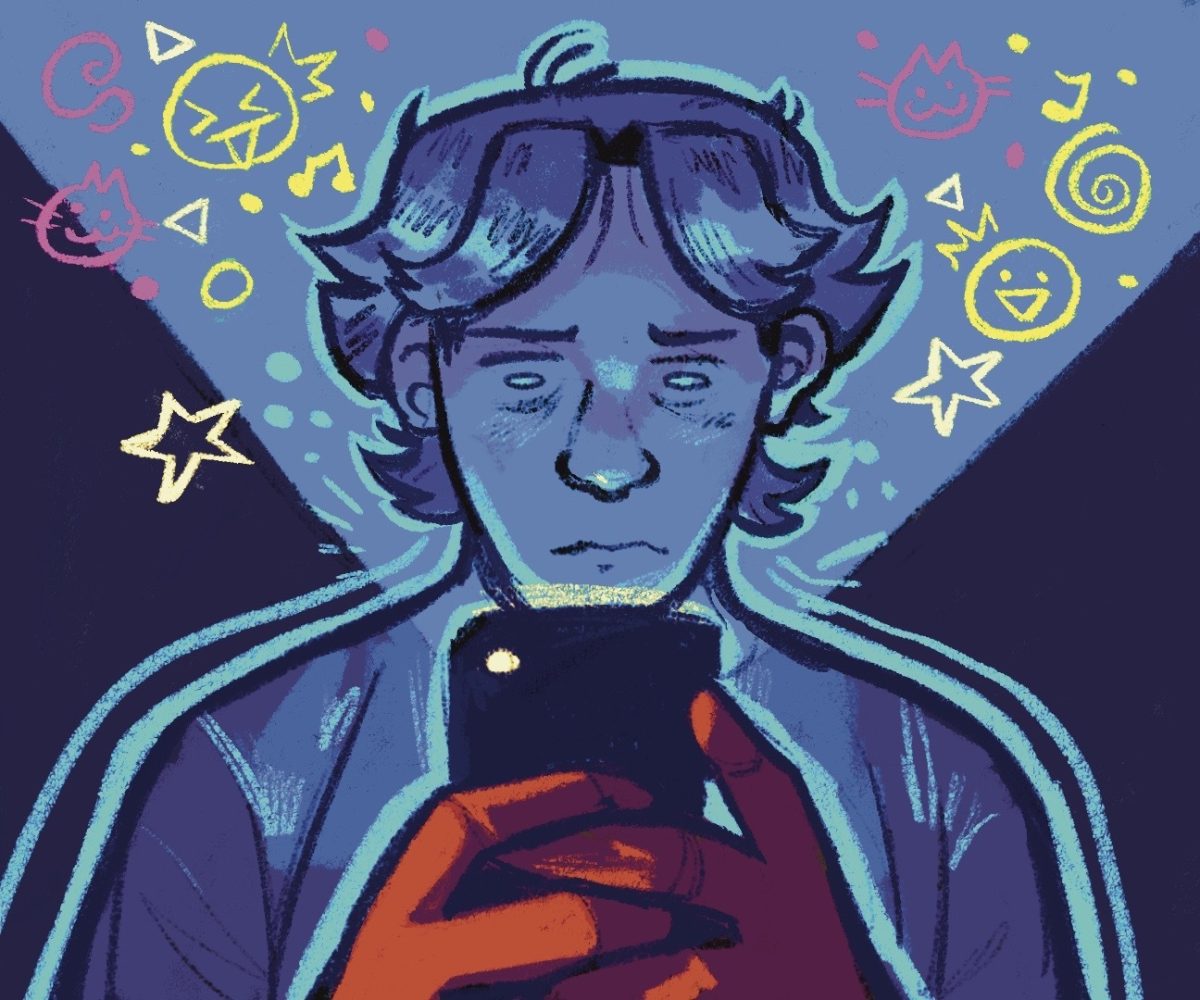
Young people have always seemed to care about politics, but the mental health ramifications have worsened in recent times, likely due to how easy it is to engage with politics. Major announcements or news that were once filtered over a news cycle are now being shared instantly, and directly from politicians’ mouths, on platforms like X. This, unfortunately, gives young adults no opportunity to avoid negative events and leads to a constant stream of information.
Another unfortunate trend is how present politics are in every aspect of a college student’s life. Universities, especially in Texas, have become influenced by state and national politics, with decisions on campus events and curriculum directly reflecting partisan politics and angering students further.
For students, it can often seem hard to ignore politics, but it is how young adults engage that matters. For many, it is up to how much they can handle, but balancing negative media attention with a healthy dose of positive news is a good start.
“What I try to do is kind of microdose a little bit with the news that I consume. I want to know about the harsh stuff, the reality of things … but I also want to know about the positive things in life that are happening,” Kaya-Kaya said.
Jasmine Rivera, a psychology sophomore, said talking to people about current politics is a good way to engage effectively.
“Start small, like talk about it with your friends, and then when you meet new people, you kind of discuss it too,” Rivera said.
College students have more of an impact than they may think, and their voices are especially important at the ballot box.
-Andrew Bencivengo is a business management junior
The University Star welcomes Letters to the Editor from its readers. All submissions are reviewed and considered by the Editor in Chief and Opinions Editor for publication. Not all letters are guaranteed for publication.