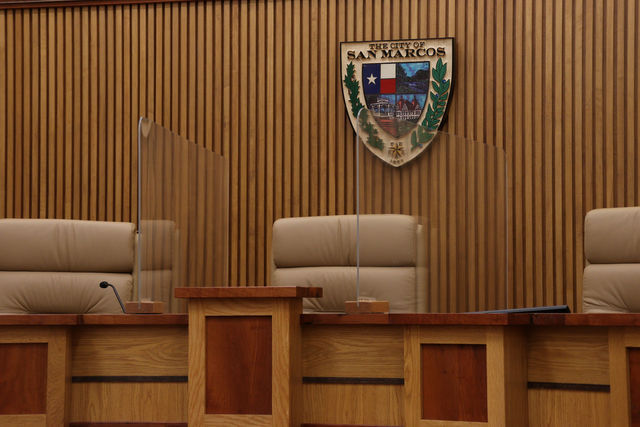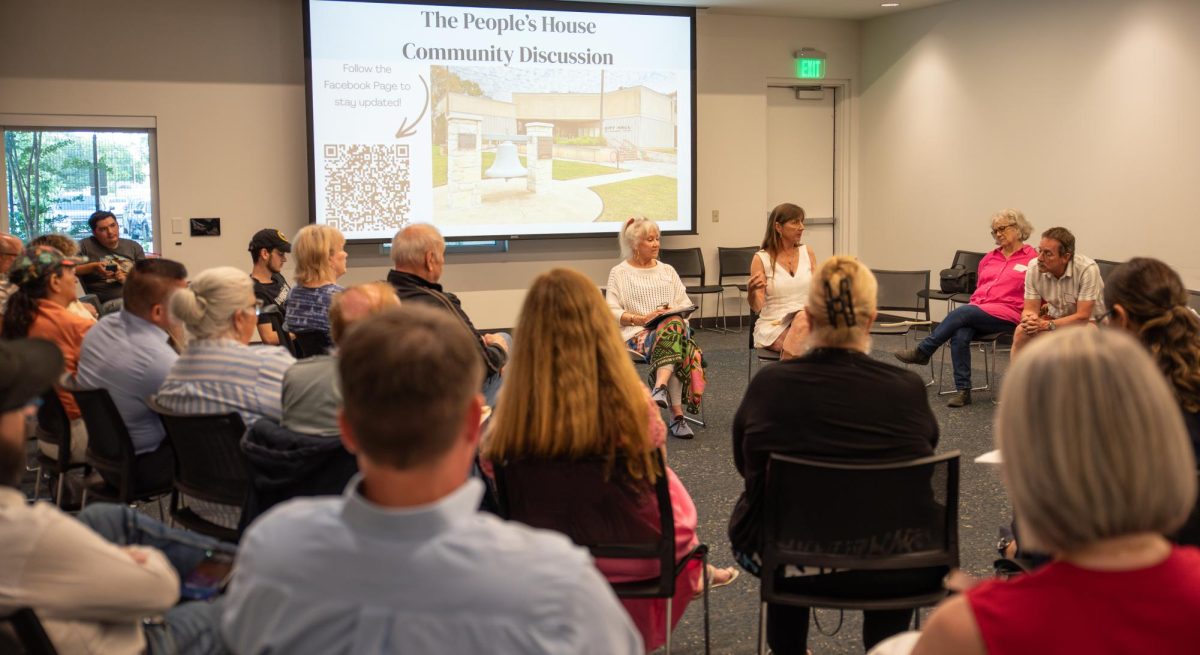

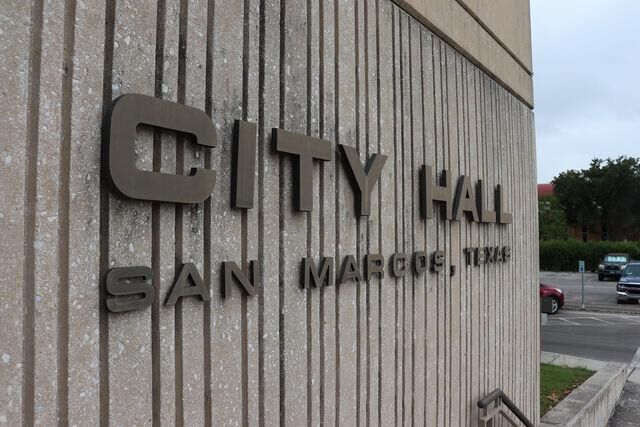
At its Dec. 16 meeting, the San Marcos City Council reviewed the final results of the 2025 National Community Survey and looked at the participatory budgeting process.
The 2025 National Community Survey concerning the livability of San Marcos was sent out to randomly selected households by mail on Sept. 29, and an online survey that residents could fill out on Oct. 27. Both participation options closed Nov. 10, with responses remaining anonymous.
3,500 households were randomly selected for the mail-out option, and a total of 225 responses were received. Additionally, 1,095 residents responded to the online survey conducted by Polce, a civic communication and analytics platform.
Surveys were not sent to any Texas State dormitories or the university because students tend to get their resources from the university rather than the city, according to Lauren Surley, director of communications and intergovernmental relations.
“But if a student, for example, were to live off campus in the community, they had the chance to be included in that random sample,” Surley said.
According to the survey results, the top three priorities for the community are the natural environment, utilities, education, art and culture, as well as parks and recreation.
Stephanie Reyes, city manager, said the results of the survey will be used for town halls and for council members to focus their visions for the city.
Reyes said that during the San Marcos City Council Vision Workshop, an annual event where the council meets with the public to work on future goals, they will work on residents’ needs for affordability and mobility throughout the city.
“One thing I know that’s very difficult for us, that we realize is that the university has recruited a lot of international students and as some of us are guest speakers for those classes, those are some questions that will come up,” Reyes said. “The students will say, ‘Well, I’m an international student, but I don’t really have a lot of you know, places, how I can get around, and all those other kinds of things’.”
Reyes said she has brought up the issue of mobility throughout the city and the disconnect for international students with the Texas State University administration.
74% of residents who responded to the survey find mobility is important to the community; however, only 37% of residents think the current quality is good.
Council member Alyssa Garza said transportation around the city is important for any first-generation students at Texas State who are trying to live in San Marcos.
According to the survey presentation, San Marcos is recognized as a desirable place to live, visit, and raise families.
“About eight in ten residents positively rated [San Marcos] as a place to live and overall quality, in addition, 8 in 10 residents plan on remaining in San Marcos for the next five years and would recommend living in San Marcos to someone who asked,” Grace Arneson, Polca contact, said.
Grisell Pérez-Carey, community resource and engagement coordinator, gave a presentation about the next steps for the Office of Community Support and Resource Navigation while highlighting the participatory budgeting (PB) process.
PB is a democratic process where community members propose and decide how a portion of public funding is spent, according to Pérez-Carey.
In order for residents to participate in each phase of PB, residents must submit a project idea, volunteer to develop the project proposals, vote on the final project proposals, and spread the word to other members of the community.
“While we hope and encourage our community to submit a variety of projects, some examples include ADA ramps, bus pads, sidewalks, and projects that increase accessibility to our parks, such as accessible routes to playgrounds, playground servicing, picnic tables, and benches,” Pérez-Carey said.
Projects must enhance the community, be open to the public, accessible, and not exceed the total allocated funding of $200,000.
The PB process will start in February with residents submitting project ideas. In March, city staff will approve certain projects. In April, community volunteers will create project proposals. Residents will then vote on the proposals in May, and in June, the project winners will be announced.
The San Marcos City Council meets at 6 p.m. every first and third Tuesday of each month. For more information, visit its website.