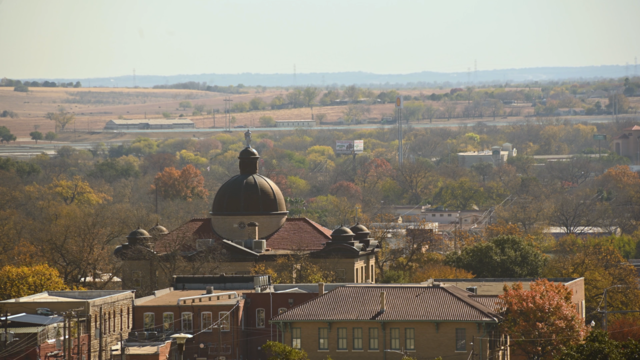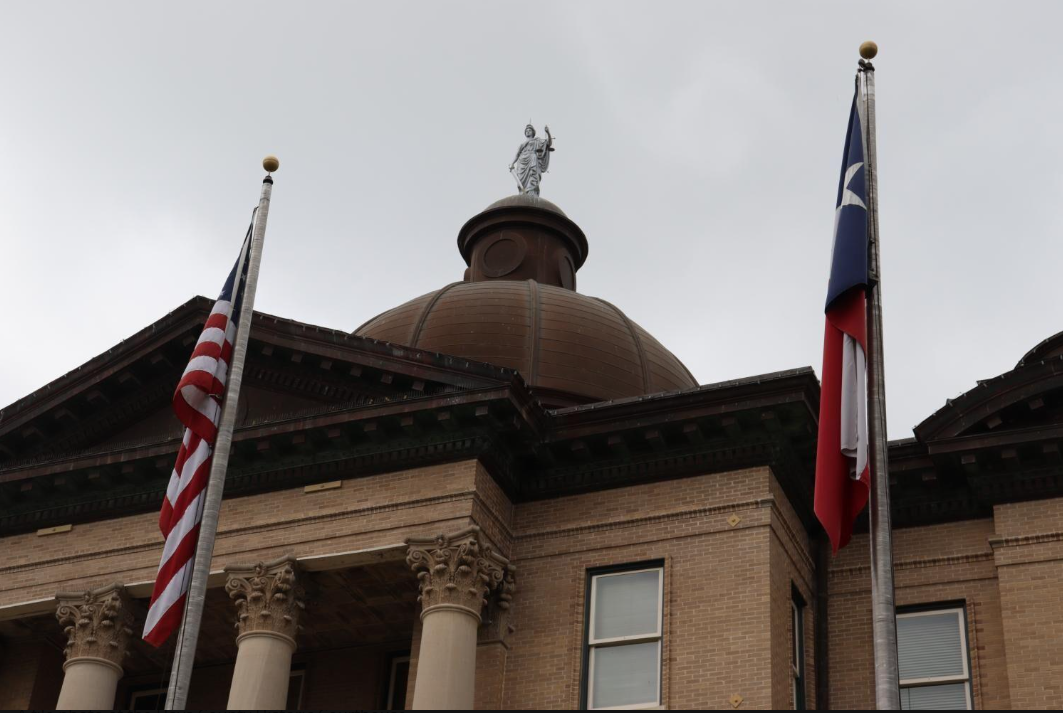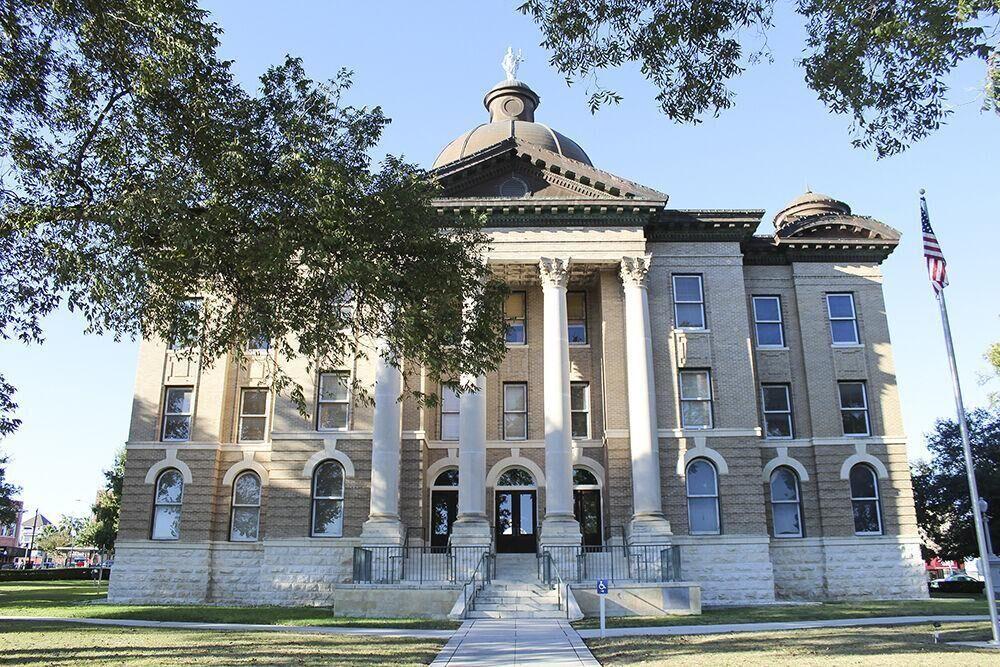

During its Oct. 28 meeting, the court passed changes to election precincts from the redistricting maps that were approved in the 89th legislative 2nd Special Session, and presented future development plans for the housing and the county government center.
On Sept. 9, Gov. Greg Abbott signed into law the congressional redistricting in Texas that added five House seats to the Republican Party. The court voted to approve the changes made in Hays that will not take effect until the runoff election in December. The county will begin to work on maps of the district changes that will become available to the public.
John Leonard, a resident, spoke to the court regarding the changes to the congressional districts, areas established by law to be represented by a member of U.S. Congress, in the county.
“When the dust cleared, the Hays County portion of democratic [congressional district] 35 was put on a stretcher and carried out of the game,” Leonard said. “Republican CD 21, along with CD 27, another deep red district, swooped into Hays County from god knows where, picked apart the bones of CD 35.”
Hays County cities included in CD 35, which are represented by Rep. Greg Casar (D-Austin) are San Marcos, Kyle, Uhland, and Niederwald.
Cities in CD 21, which are represented by Rep. Chip Roy (R-Austin), include Fredericksburg, Kerrville, New Braunfels, and parts of northeastern San Antonio.
Cities in CD 27, represented by Rep. Michael Cloud (R-Victoria), include Lockhart, Bastrop, and Corpus Christi.
Jennifer Doinoff, election administrator for Hays County, spoke about the county needing to comply with guidelines from the federal government and the state.
“What we are doing is not redistricting, what we are doing is the court is ensuring that our election precincts are compliant with National Voter Registration Act,” Doinoff said. “What we are doing is meeting our statutory compliance for 42.031 of the election code. Just making sure our election code is in compliance with these precincts.”
Numerous consulting groups presented future development plans for the county regarding housing and the Hays County government building.
Representatives from Freese and Nichols, an engineering and infrastructure group, presented future plans for the update on the Hays County Development Regulations Project. The update id focused on improving areas such as water availability, water quality, erosion control, floodplain management, and environmental protection.
Some of the key changes presented was a minor plat process for small or one lot subdivisions, a process that facilitates subdivision plat approval. Other changes included introducing a submittal calendar, facilitating third-party reviews and inspections and fees for county staff, strengthening water certification procedures and defining standards for flag lots.
County Judge Ruben Becerra spoke about the necessity for housing but making sure the lots used for housing have enough resources to support them.
“I know the commissioners are all about adding rooftops because we want to create more affordability just by an availability ratio,” Becerra said. “We also have a deep love, appreciation, sensitivity, to our groundwater, wells, springs, and rivers.”
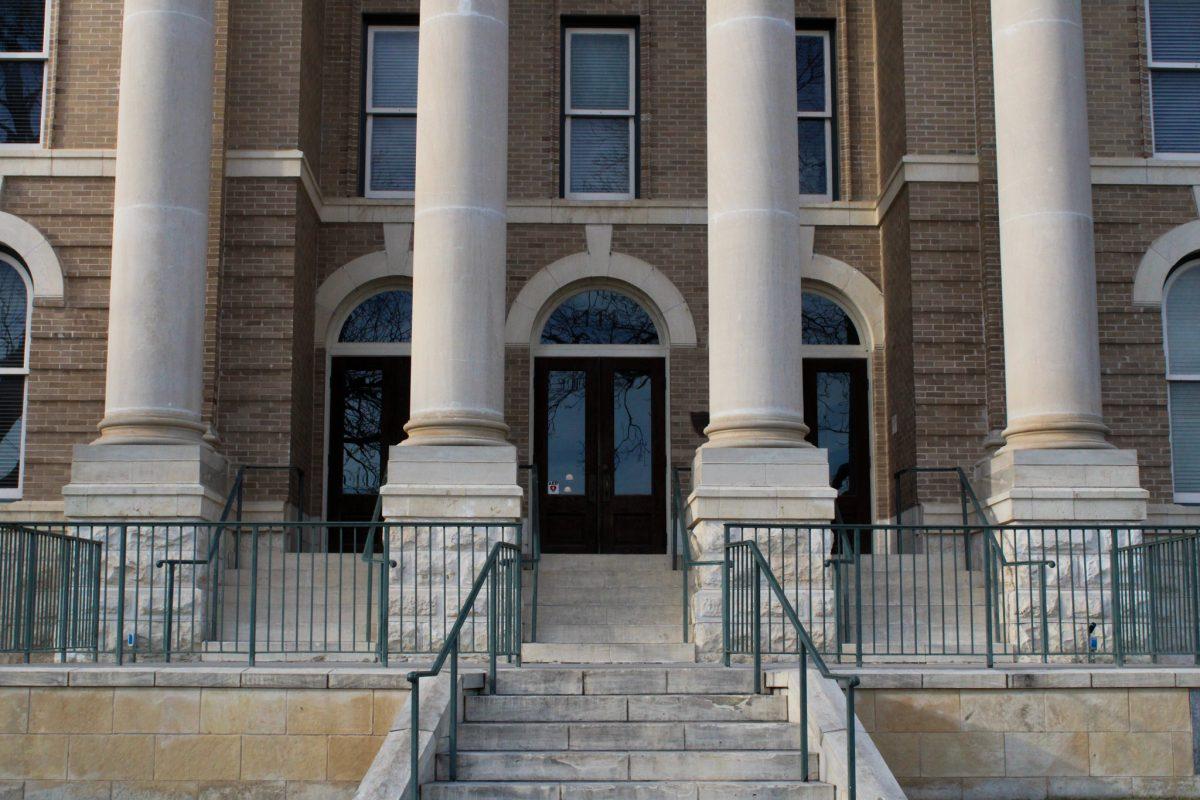
Architecture representative Jaime Marcyniak from HDR Inc. a global consultant tasked with the Hays County Government Center master plan, proposed the potential phases for the building. The phases looked into updates that would be added to the building if it were to become only a judicial services building.
The proposed plans were laid out for three phases with the second and third involving the biggest changes. The second phase would occur in 10 years with expansion in the building. Four additional court rooms would be added and the county clerk would move to the first floor. Space on the second floor, previously occupied by the county clerk, would be opened up.
The third phase, in 20 years, involves the space opened up by the county clerk, and it providing space for the constable department, indigent defense, and judicial services. A parking garage was also proposed along with a surface parking lot that would relieve the current needs.
The cost for the building phases would amount to $31,877,893 in year 10 and $12,500,156 for year 20.
The court spoke agreed on the goals for the building and its future uses but not wanting to rush into a process that involves high costs and spacing.
The Hays County Commissioners Court 9 a.m. on select Tuesdays each month. For more information, visit its website.