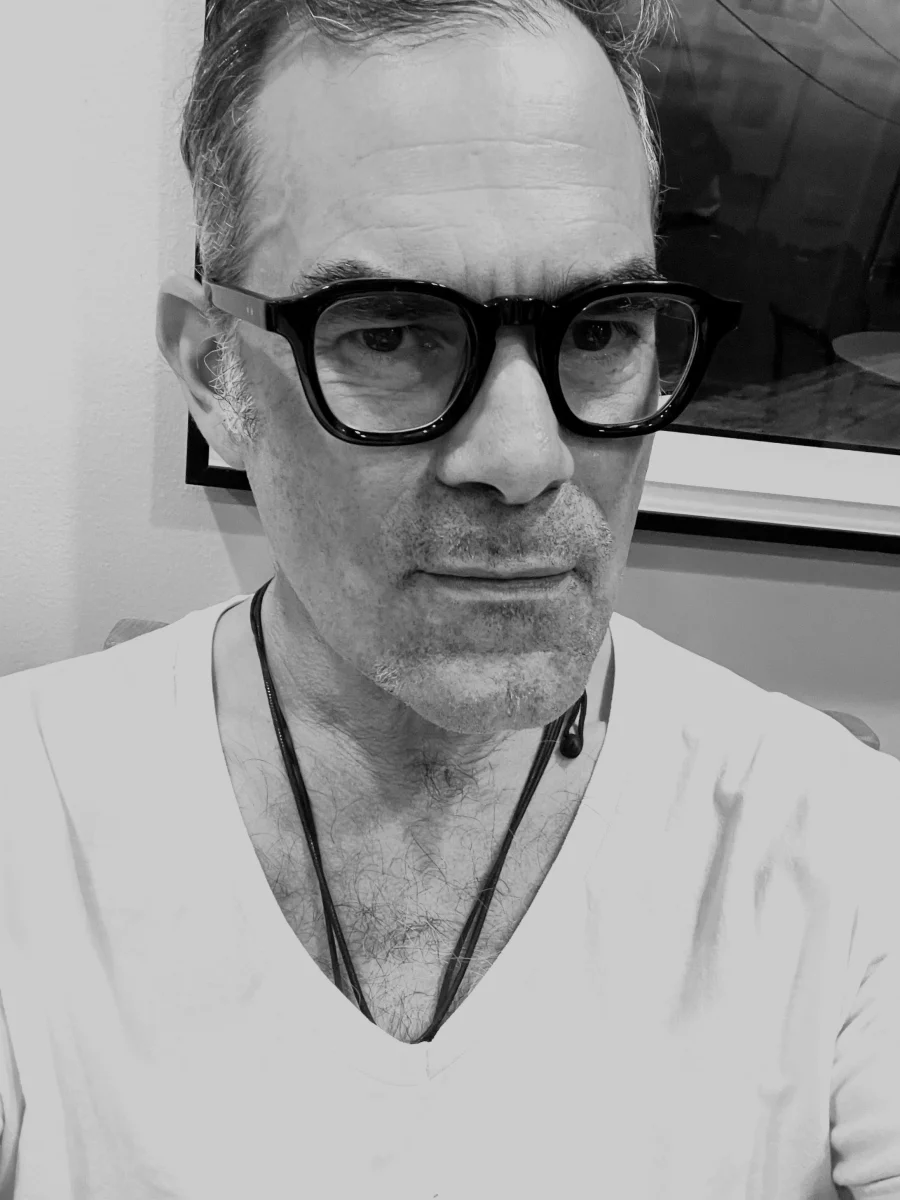


Taylor Sheridan, screenwriter and theatre alumnus, entrusted the Wittliff Collections with drafts from his archive, making it the new home of his collection.
Since its founding in 1986 as the Southwestern Writers Collection, the Wittliff’s mission is to collect, preserve and present the cultural heritage of Texas, the Southwest and Mexico through works of the region’s storytellers.
A native Texan, Sheridan attended Texas State until dropping out in 1991. He spent the next 20 years acting and began screenwriting and directing in his 40s. His works include the screenplays for “Sicario” and “Hell or High Water” and the television series “Yellowstone” and “Landman.” In March 2021, he was inducted into the Texas Cowboy Hall of Fame, a museum that honors individuals who excelled in rodeo, the Western lifestyle and related areas.
The Wittliff organized 12 items from Sheridan’s collection into two boxes. The first contains the TV pilot scripts from “Yellowstone” and its prequels, “1883” and “1923.” The second contains film scripts from “Sicario,” “Wind River,” “Hell or High Water” and its original title, “Comanchería.”
Both boxes have facsimiles, meaning the scripts were created using printouts of digital files the Wittliff received. However, there are no digital copies to obtain to protect Sheridan’s intellectual property, unlike some photographs that can be accessed through the museum’s archive.
“[An archive] protects things in the same way you wouldn’t let someone walk out of the archive with a hard copy of an important letter,” Carrie Fountain, curator of the Wittliff, said. “You wouldn’t let somebody have a digital copy of something because that’s a duplicate that could end up on the Internet.”

During its quarterly meetings on Feb. 13-14, the Texas State University System Board of Regents authorized Texas State University to award honorary doctorates to four individuals last spring to recognize what Texas State President Kelly Damphousse called embodying the “excellence, creativity and leadership” that defines the university. Sheridan, being one of them, became the 21st person to be honored by Texas State.
David Coleman, director of the Wittliff, said Texas State was interested in Sheridan for a while since Sheridan previously attended the university.
“We nurtured the relationship through mutual contacts and were able to secure the possibility of him returning to campus, which he had not done for many years since he attended school here,” Brooks Hull, vice president for university advancement, said.
Sheridan received his Doctor of Humane Letters degree on May 8 during a commencement ceremony. As part of his visit, he and his wife toured the campus with a group including Hull and Damphousse. They briefly stopped by the Wittliff before Coleman led them on a tour.
“Lonesome Dove” was important to Sheridan, as “1883” was his homage to it, so Coleman showed him the Wittliff’s permanent exhibition with materials from the miniseries.
“There’s a man named Cary White who was the production designer for ‘Lonesome Dove’ … and he worked on many movies,” Coleman said. “He let us know Taylor Sheridan brought him out of retirement and invited him to do production design, starting with the second season of ‘Yellowstone’ and then several other shows that [Sheridan] has done.”
As Sheridan viewed the production materials on display and White’s materials from the Wittliff’s archive, he asked Coleman about it keeping works by many different types of artists. Coleman said the museum loves doing this work, and Sheridan asked if it was interested in having the materials from his productions.
“Once [the process of acquiring Sheridan’s materials] started going into the phase of collecting things, David was working with Taylor Sheridan’s team to figure out what were the first items that were going to come to the Wittliff,” Fountain said.
The Wittliff worked with Sheridan’s team on the collections before acquiring them on Aug. 25 and cataloging them by Oct. 15.
The permanent edition is a start in what the Wittliff hopes will become a greater collection of Sheridan’s items. It usually receives the drafts, journals and correspondence of those who are either retired or slowing down from their writing career, but Fountain said Sheridan is right in the middle of his literary legacy.
“That’s one of the things with an archive, it really is a promise,” Fountain said. “It’s amazing he’s made this promise to Texas State that we will be the home for his archive, as it is still being created because he’s still making so much work.”
Sheridan’s collection is available to view in the Wittliff’s reading room by scheduling a research appointment. It is available to anyone from 9:00 a.m. to noon and 1–4:30 p.m. Monday through Friday.